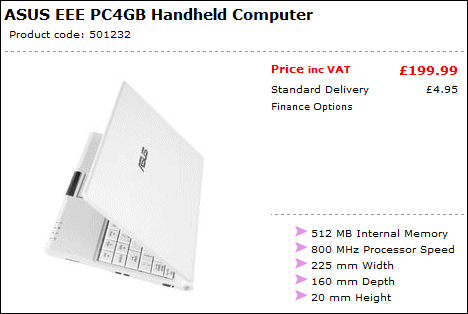
The price of the Asus mini PC running Linux is falling. UK computer superstore PC World is advertising the 4GB model for £199 including VAT – and yes, right now there seems to be stock in hand.
An improved model with an 8GB solid state drive and 1GB RAM is available in the USA, and my guess is that this will come to the UK early in the new year.
It is not without annoyances but nevertheless a great little device, and will give desktop Linux a significant boost.
Presumably we will see Linux and Windows variants side-by-side in the shops before long. It will be interesting to see how the sales proportions shake out.
Update
I reserved one of these myself, for collection at a local store. 30 minutes later I got a telephone call from PC World (yes, at 9.00pm). It was someone who “just wanted to check” that I understood that this runs Linux and is “not a laptop running Windows or anything”. Fascinating. I have no objection to being called, but I wonder what prompted this ring-round? Customers complaining? Or just a retailer nervous about this strange new thing? Should have asked, bother.
I’ve also noticed something odd about the product description. PC World has the white and the black at the same price – well, I am guessing, but one product is -GW and the other is -GB. However, the code and description for the white (PC2-GW) suggests it is the 2GB variant, which you would expect to be cheaper. There’s also no mention of the webcam (not that I really care about that). If you go for one of these, I suggest checking it is really what you are expecting before parting with money. I will.
Further update
Price is back up to £219.99 for the 4GB this morning. Looks like a temporary pricing snafu. Never mind, it is still a good deal.